
















Booking abandonment on hotel websites occurs when potential guests begin the reservation process but leave before completing their booking. Hotels can reduce booking abandonment by simplifying the booking process, improving website speed, displaying transparent pricing, optimizing mobile experiences, offering multiple payment methods, and building trust through reviews and security badges. These improvements help increase direct bookings, improve conversion rates, and maximize revenue.
In today’s digital-first hospitality landscape, attracting visitors to your website is no longer enough. The real challenge is converting those visitors into paying guests. Studies consistently show that a significant percentage of travelers abandon hotel bookings before reaching the confirmation page. Every abandoned booking represents lost revenue and potentially higher acquisition costs.
The reasons behind hotel booking abandonment vary. Some guests encounter unexpected fees, while others become frustrated by lengthy booking forms, slow-loading pages, limited payment options, or concerns about security. Understanding these obstacles is the first step toward creating a seamless booking experience.
This guide explores the most effective strategies hotels can implement to reduce booking abandonment, improve website conversions, and increase direct reservations without relying heavily on third-party booking platforms.
What Is Hotel Booking Abandonment?
Hotel booking abandonment refers to the situation where a potential guest begins the reservation process on a hotel website but leaves before completing the booking. This typically happens after users have selected a room, entered some personal details, or reached the checkout stage, but fail to finalize payment or confirmation.
In simple terms, it is the digital equivalent of a guest walking away from the front desk before confirming their stay.
Booking abandonment is a major issue in the hospitality industry because it directly reduces conversion rates and leads to lost revenue opportunities. Every abandoned booking represents a potential customer who showed clear intent to stay but was discouraged by friction in the booking process.
Why Booking Abandonment Happens on Hotel Websites
Booking abandonment on hotel websites occurs when potential guests begin the reservation process but leave before completing their booking. This usually happens due to friction, uncertainty, or lack of trust during the booking journey. Understanding these causes is essential for improving conversion rates and increasing direct hotel bookings.
1. Hidden Fees and Unexpected Pricing
One of the most common reasons for abandonment is price shock. When taxes, service charges, or resort fees appear late in the checkout process, users often feel misled and leave the site. Transparent pricing is critical to maintaining trust.
2. Slow Website Performance
Slow-loading pages, laggy booking engines, or delays during checkout can quickly frustrate users. In the travel industry, even a few seconds of delay can significantly increase drop-off rates as users switch to faster competitors.
3. Complicated Booking Process
Long forms, too many steps, or unnecessary account creation requirements create friction. Guests prefer a quick, simple, and intuitive booking flow, and any complexity increases the risk of abandonment.
4. Lack of Trust Signals
If a hotel website does not clearly display security badges, reviews, or cancellation policies, users may hesitate to enter personal or payment details. Trust plays a major role in online travel decisions.
5. Limited Payment Options
Restricting users to a small number of payment methods can lead to drop-offs, especially for international travelers who prefer local or digital payment options.
6. Poor Mobile Experience
Many users book hotels on smartphones. If the website is not mobile-friendly—such as having hard-to-read text, unresponsive buttons, or slow performance—users are more likely to abandon the process.
7. Technical Errors and Glitches
Broken booking engines, payment failures, or page crashes during checkout create frustration and force users to leave before completing their reservation.
8. Unclear Room Information
Confusing room descriptions, lack of images, or difficulty comparing options can slow down decision-making and increase abandonment.
9. Lack of Urgency or Incentives
Without clear benefits for booking directly—such as discounts, free upgrades, or limited-time offers—users may leave to compare prices on other platforms.
10. Distractions and Comparison Behavior
Many travelers browse multiple hotel websites or OTAs simultaneously. If your booking process is not fast and compelling enough, users may abandon it to continue comparing alternatives elsewhere.
15 Proven Ways to Reduce Booking Abandonment on Hotel Websites
Reducing booking abandonment on hotel websites is essential for increasing direct reservations and maximizing revenue. Guests often drop off due to friction in the booking process, unclear pricing, or poor user experience. The following 15 proven strategies help hotels optimize their booking funnel and improve conversion rates.
1. Simplify the Booking Process
Reduce unnecessary steps in the booking funnel. A shorter, clearer process helps users complete reservations faster without confusion or frustration.
2. Eliminate Hidden Fees
Display total pricing upfront, including taxes and service charges. Transparent pricing builds trust and reduces last-minute drop-offs.
3. Improve Website Speed
Optimize page load times by compressing images, using caching, and improving server response. Faster websites significantly reduce abandonment rates.
4. Optimize for Mobile Users
Ensure your website is fully responsive and easy to use on smartphones. Most travelers now book hotels on mobile devices.
5. Offer Multiple Payment Options
Support credit cards, debit cards, and digital wallets. Flexible payment methods reduce friction during checkout.
6. Strengthen Trust Signals
Display SSL certificates, guest reviews, ratings, and secure payment badges to reassure users during booking.
7. Improve Room Presentation
Use high-quality images, detailed descriptions, and clear amenities to help users make confident decisions.
8. Enable Guest Checkout
Avoid forcing users to create an account before booking. Guest checkout reduces drop-off rates.
9. Use Clear Call-to-Actions (CTAs)
Make booking buttons visible and action-oriented, such as “Book Now” or “Reserve Your Stay.”
10. Add Live Chat Support
Provide real-time assistance to help users resolve doubts and complete bookings without leaving the page.
11. Optimize the Booking Engine
Use a fast, reliable booking engine that integrates smoothly with your website and minimizes technical issues.
12. Provide Booking Incentives
Offer direct booking perks like discounts, free breakfast, or flexible cancellation policies to encourage completion.
13. Use Exit-Intent Popups
Capture users who are about to leave with special offers or reminders to complete their booking.
14. Send Abandoned Booking Emails
Follow up with users who leave mid-booking by sending reminder emails with their selected rooms and incentives.
15. Continuously Test and Optimize
Run A/B tests on layouts, CTAs, and checkout flows to identify what reduces abandonment most effectively.
Easy Hotel Booking Plugin: Streamlining the Reservation Experience
One of the most effective ways to reduce booking abandonment on hotel websites is by using a reliable booking engine plugin such as the Easy Hotel Booking plugin. A well-designed booking system directly impacts user experience by simplifying the reservation process, reducing friction, and improving conversion rates.
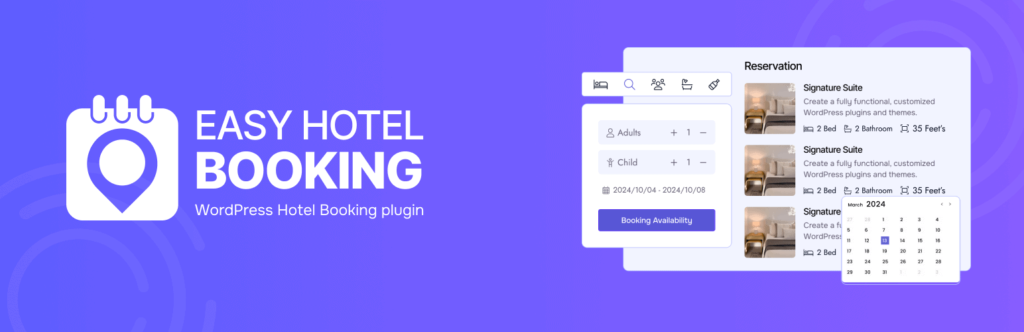
The Easy Hotel Booking plugin helps hotels create a seamless and intuitive booking flow where guests can quickly search availability, select rooms, and complete reservations without unnecessary steps or confusion. By minimizing complexity, it significantly lowers the chances of users dropping off during the booking process.
Key Benefits for Reducing Booking Abandonment
- Simplified Booking Flow: Reduces the number of steps required to complete a reservation, helping users finish bookings faster.
- Real-Time Availability: Displays updated room availability instantly, preventing frustration from outdated information.
- Mobile-Friendly Interface: Ensures smooth booking experiences across smartphones, tablets, and desktops.
- Customizable Booking Forms: Allows hotels to remove unnecessary fields and keep the checkout process simple.
- Integrated Payment Options: Supports secure and flexible payment methods to reduce checkout hesitation.
- Fast Performance Optimization: Lightweight structure helps improve page speed, reducing bounce rates.
Why It Matters for Conversion Optimization
A slow or complicated booking engine is one of the top reasons for booking abandonment. By implementing a streamlined plugin like Easy Hotel Booking, hotels can significantly improve their booking funnel performance. The smoother the reservation process, the higher the likelihood that visitors will complete their booking instead of leaving the site.
In combination with transparent pricing, strong trust signals, and mobile optimization, this plugin plays a key role in turning website visitors into confirmed guests and improving overall direct booking revenue.
Conclusion: How to Reduce Booking Abandonment on Hotel Websites
Reducing booking abandonment on hotel websites requires a combination of user experience improvements, transparent pricing, mobile optimization, trust-building measures, and continuous testing. Hotels that simplify the booking journey and remove common barriers can significantly increase direct bookings, improve conversion rates, and maximize revenue.
By implementing these proven strategies, hospitality businesses can turn more website visitors into confirmed guests while strengthening their overall digital marketing performance.
Frequently Asked Questions (FAQs)
How can hotels increase direct bookings?
Hotels can increase direct bookings by offering exclusive perks, improving website usability, optimizing mobile experiences, and displaying transparent pricing.
Does website speed affect hotel booking conversions?
Yes. Slow-loading pages can significantly increase abandonment rates and reduce hotel booking conversions.
How important is mobile optimization for hotel websites?
Mobile optimization is critical because a growing percentage of travelers research and book accommodations on smartphones.
Can abandoned hotel bookings be recovered?
Yes. Hotels can recover abandoned bookings through automated email reminders, personalized offers, and retargeting campaigns.
What is the ideal hotel booking process length?
The booking process should be as short as possible, ideally requiring only essential information and minimal steps.
How do trust signals reduce booking abandonment?
Security badges, SSL certificates, guest reviews, and transparent policies reassure visitors and increase booking confidence.
