
















The business model behind hotel booking plugins is based on enabling hotels to accept direct bookings without relying on third-party platforms. These plugins generate revenue through subscription plans, premium features, and integrations, while helping hotel owners reduce commissions and increase profit margins.
By using tools like WooCommerce alongside booking systems, hotels can manage reservations, payments, and customer data independently, making hotel booking plugins a cost-effective and scalable solution in modern hospitality.
What Is a Hotel Booking Plugin Business Model

A hotel booking plugin business model refers to how plugin providers create, deliver, and monetize software that allows hotels to manage reservations directly on their websites. Instead of paying high commissions to platforms like Booking.com or Airbnb, hotels can use plugins to build their own booking ecosystem.
This model benefits both sides. Plugin developers earn recurring income, while hotel owners gain control over pricing, branding, and customer relationships. As direct booking becomes a priority in the hospitality industry, this model continues to grow rapidly.
Core Revenue Streams of Hotel Booking Plugins
i. Subscription-based pricing drives recurring revenue
Most hotel booking plugins operate on monthly or yearly subscription plans. This ensures predictable revenue for developers while giving hotels access to continuous updates, support, and new features.
Subscription tiers are often structured based on features such as the number of rooms, booking limits, or integrations, making it scalable for both small boutique hotels and large chains.
ii. Freemium model attracts mass adoption
Many providers offer a free version with limited functionality to attract users. Advanced features such as payment gateways, analytics dashboards, and automation tools are locked behind premium plans.
This freemium strategy lowers entry barriers and allows hotels to upgrade as their business grows.
iii. Add-ons and extensions increase revenue per user
Plugins often include paid extensions like seasonal pricing, multi-language support, and channel management. These add-ons allow developers to increase average revenue per user without forcing users into expensive base plans.
This modular pricing structure is especially popular in ecosystems built around platforms like WordPress.
How Hotel Booking Plugins Help Hotels Make Money
Hotel booking plugins aren’t just about convenience—they’re revenue engines when used strategically. Here’s how they directly help hotels make money.
1. More direct bookings (Higher Profit Margins)
When guests book through third-party platforms like Booking.com or Expedia, hotels typically pay commissions (often 10–25%).
A booking plugin on your own website lets guests reserve rooms directly—meaning:
- No commission fees
- More control over pricing
- Better profit per booking
2. 24/7 automated sales
A plugin turns your website into a round-the-clock booking system:
- Guests can book anytime, from anywhere
- No need for staff to manually handle reservations
- Reduces missed opportunities (especially for international guests in different time zones)
3. Upselling & add-ons
Good booking plugins allow hotels to sell extras during checkout:
- Airport transfers
- Breakfast packages
- Spa services
- Room upgrades
This increases the average booking value without extra marketing effort.
4. Dynamic pricing & revenue optimization
Many plugins integrate with pricing tools or allow:
- Seasonal pricing
- Demand-based rate adjustments
- Special promotions or discounts
This helps maximize occupancy and revenue—similar to how airlines price tickets.
5. Lower operational costs
Automation reduces workload:
- No manual booking entry
- Fewer human errors
- Less need for large front-desk teams
Lower costs = higher net profit.
6. Better data & customer insights
Plugins collect valuable data:
- Guest preferences
- Booking patterns
- Peak seasons
Hotels can use this to:
- Run targeted marketing campaigns
- Improve services
- Increase repeat bookings
7. Repeat business & loyalty
Direct booking systems can:
- Store customer details
- Offer discount codes
- Create loyalty programs
This reduces reliance on third-party platforms and builds long-term revenue.
8. Integration with other systems
Many plugins integrate with:
- Property Management Systems (PMS)
- Channel managers
- Payment gateways
This ensures:
- Real-time room availability
- No overbooking
- Smooth operations
Key Features That Define a Profitable Booking Plugin
Hotel booking plugins have evolved from simple reservation tools into powerful revenue drivers. When designed correctly, they shape how guests book, spend, and return.
Seamless direct booking experience
A profitable booking plugin removes friction from the reservation process. Guests should be able to search availability, choose rooms, and confirm a booking in just a few steps without confusion or delays. Clean design, fast load times, and mobile responsiveness all contribute to higher conversion rates, especially since most travelers now book on smartphones.
Commission-free revenue control
Unlike third-party platforms such as Booking.com or Expedia, a strong plugin empowers hotels to take direct bookings without paying commissions. Full control over pricing, promotions, and policies allows properties to protect their margins and respond quickly to market demand.
Dynamic pricing and rate flexibility
Profitability depends heavily on how well pricing adapts to demand. A capable booking plugin supports seasonal rates, last-minute deals, and occupancy-based adjustments. This flexibility helps maximize revenue during peak periods while still attracting guests during slower times.
Integrated upselling and add-ons
A high-performing plugin does more than sell rooms—it increases the value of each booking. Features that allow hotels to offer add-ons such as meals, transport, or experiences during checkout can significantly boost total revenue without requiring additional marketing effort.
Secure and versatile payment processing
Trust is essential in online bookings. A profitable plugin integrates reliable payment gateways, supports multiple currencies, and ensures secure transactions. The easier and safer it feels to pay, the more likely guests are to complete their reservations.
Real-time availability and inventory sync
Nothing damages revenue faster than overbookings or outdated availability. A strong plugin syncs inventory in real time, often integrating with property management systems and channel managers. This ensures accuracy across all booking channels and prevents costly errors.
Data insights and reporting power
The most profitable systems turn booking data into actionable insights. Detailed reports on occupancy trends, guest behavior, and revenue performance help hotel owners make smarter decisions about pricing, marketing, and operations.
Automation that reduces costs
Automation plays a major role in profitability. From confirmation emails to booking management, a good plugin reduces manual work and operational overhead. Fewer errors and less staff intervention translate directly into cost savings.
Customer retention and personalization
A plugin that stores guest data and enables personalized offers helps turn one-time visitors into repeat customers. Loyalty discounts, targeted promotions, and tailored experiences strengthen long-term revenue without relying heavily on external platforms.
OTA vs Direct Booking Model

The way a hotel sells its rooms shapes both its profit margins and its relationship with guests. The comparison between OTA-driven sales and direct bookings highlights where control, cost, and long-term value really sit.
OTA model (Online Travel Agencies)
Platforms like Booking.com and Expedia bring massive visibility to hotels by listing them alongside thousands of properties worldwide. This exposure helps fill rooms quickly, especially for new or lesser-known hotels that don’t yet have strong brand recognition.
However, that reach comes at a cost. OTAs typically charge commissions on every booking, which cuts into profit margins. Hotels also have limited control over how their brand is presented and restricted access to customer data. Over time, relying heavily on OTAs can make a hotel dependent on external platforms for consistent occupancy.
Direct booking model
Direct bookings happen through a hotel’s own website, often powered by a booking plugin or engine. This model allows hotels to avoid third-party commissions and keep a larger share of revenue from each reservation.
More importantly, direct bookings give hotels full control over pricing, branding, and guest relationships. They can collect customer data, offer personalized deals, and build loyalty programs that encourage repeat stays. While attracting traffic to a hotel’s own website requires marketing effort, the long-term value per guest is significantly higher.
Key difference in profitability
The OTA model prioritizes visibility and convenience, making it effective for filling rooms quickly but at a lower margin. The direct booking model focuses on profitability and customer ownership, making it more sustainable in the long run.
Finding the right balance
Most successful hotels don’t choose one over the other—they combine both. OTAs act as a demand generator, while direct booking systems capture higher-margin reservations and build long-term customer relationships.
Why This Business Model Is Growing Rapidly
The shift toward direct booking systems isn’t random—it’s being driven by clear financial and technological advantages that are hard for hotels to ignore. As competition increases and margins tighten, more properties are rethinking how they sell their rooms.
i. Rising cost of OTA commissions
Hotels are becoming more aware of how much revenue they lose to platforms like Booking.com and Expedia. Paying a significant percentage per booking adds up quickly, especially for high-volume properties. Moving toward direct bookings allows hotels to keep more of their earnings without sacrificing occupancy.
ii. Growth of digital-first travelers
Modern travelers are more comfortable booking directly through hotel websites than ever before. With better user experience, secure payment systems, and mobile-friendly design, the trust gap that once favored OTAs has narrowed significantly.
iii. Better profit margins per guest
Even if direct bookings require marketing investment, the long-term return is higher. Hotels earn more per reservation and can reinvest that margin into improving guest experience or promotional strategies that drive even more direct traffic.
iv. Stronger brand control and identity
Direct booking systems give hotels full control over how they present themselves. Instead of being one listing among many, hotels can highlight their unique value, tell their story, and create a more memorable booking journey.
v. Access to valuable customer data
Unlike OTA bookings, direct channels provide full access to guest information. This data helps hotels understand behavior, personalize offers, and build long-term relationships that lead to repeat bookings.
vi. Rise of smart technology and automation
Modern booking plugins integrate with payment gateways, marketing tools, and property management systems. Automation reduces manual work, improves accuracy, and lowers operational costs, making the business model more efficient and scalable.
vii. Increased focus on guest loyalty
Hotels are realizing the importance of owning the customer relationship. Direct booking systems make it easier to offer loyalty programs, exclusive discounts, and personalized experiences that encourage guests to return.
viii. Competitive pressure across the industry
As more hotels adopt direct booking strategies, others are following to stay competitive. This creates a ripple effect, accelerating the growth of the model across the hospitality industry.
Challenges in the Hotel Booking Plugin Business Model

No business model is perfect, and hotel booking plugins come with their own set of challenges. While they improve margins and control, they also shift responsibility onto the hotel, especially in areas that OTAs used to handle.
1. Traffic generation requires ongoing investment
A booking plugin doesn’t come with built-in visibility, which is one of the biggest hurdles compared to platforms like Booking.com and Expedia. Hotels must actively invest in search engine optimization, paid advertising, and content marketing to attract visitors to their website.
This isn’t a one-time effort—it requires continuous testing, budget allocation, and strategy refinement. If traffic slows down, bookings drop immediately, making revenue less predictable for hotels that rely heavily on direct channels.
2. Conversion optimization is complex and continuous
Getting visitors to a website is only half the battle; converting them into paying guests is another challenge entirely. Small issues like slow page speed, unclear pricing, complicated checkout flows, or lack of trust signals can cause potential guests to abandon bookings.
Unlike OTAs, which are heavily optimized through years of data and testing, hotel websites must constantly experiment with design, user experience, and messaging. This requires both technical expertise and a deep understanding of customer behavior.
3. Balancing marketing costs with profit margins
While direct bookings eliminate OTA commissions, they introduce marketing expenses that can quietly eat into profits. Hotels often spend on Google Ads, social media campaigns, and retargeting strategies to compete for visibility.
If these campaigns are not optimized, the cost per acquisition can become as high or even higher than OTA commissions. The challenge lies in maintaining a balance where marketing spend drives profitable bookings rather than just increasing traffic.
4. Technical maintenance and system reliability
A booking plugin becomes a critical part of a hotel’s revenue system, which means it must function flawlessly at all times. Regular updates, bug fixes, security monitoring, and compatibility with other tools are essential.
Even minor technical issues like payment gateway errors or calendar sync failures can result in lost bookings and damage guest trust. Hotels either need in-house expertise or reliable external support, both of which add operational complexity and cost.
5. Integration and data synchronization challenges
Modern hotel operations rely on multiple systems, including property management systems (PMS), channel managers, and payment gateways. Ensuring that all these systems communicate accurately in real time is not always straightforward.
Poor integration can lead to inconsistent pricing, outdated availability, or double bookings. Fixing these issues often requires technical intervention and can disrupt operations, making scalability a challenge for growing hotels.
Subscription vs One-Time Pricing in Hotel Booking Plugins
Subscription pricing means you rent the plugin with continuous updates and support, while one-time pricing means you buy the plugin outright and typically get lifetime usage with limited or optional updates.
In hotel booking systems, this difference is not just financial—it directly affects system stability, integrations, and long-term maintenance.
1. Pricing Model Structure
Subscription Model
Subscription plugins charge recurring fees, usually annually or monthly. This keeps access to updates, support, and sometimes add-ons active.
Examples in the market include booking systems where plans are billed yearly and must be renewed to maintain full functionality and compatibility with WordPress updates .
This model is designed for continuous development and ongoing feature delivery.
One-Time Pricing Model
One-time pricing means a single payment for long-term usage. Many hotel booking plugins in the WordPress ecosystem still offer this structure.
For example, several booking plugins are sold as lifetime licenses starting around $49–$79 with one-time payment models .
In many cases, updates and support are included for a limited period or offered as optional renewals.
2. Maintenance & Updates
Subscription Model
Subscription systems guarantee ongoing updates. This is critical because hotel booking plugins depend on:
- WordPress core updates
- Payment gateway changes
- Security patches
- Channel integrations like iCal or OTA sync
As long as you pay, the plugin stays fully maintained and compatible.
One-Time Model
One-time plugins may still work long-term, but maintenance depends on the developer’s update policy.
Some offer lifetime updates, while others only provide updates for a fixed period before requiring renewal. This creates potential risk if WordPress or external systems evolve significantly.
3. Long-Term Cost Reality
Subscription Model
- Lower upfront cost
- Higher long-term total cost
- Predictable yearly expense
Over time, costs accumulate but remain tied to active service.
One-Time Model
- Higher upfront cost (or moderate)
- Lower long-term cost if updates remain sufficient
- Risk of future upgrade costs or compatibility issues
In many real cases, “lifetime” pricing breaks even after a few years compared to subscription pricing.
4. Feature Strategy
Subscription Plugins
- Often modular (features unlocked via plans)
- Continuous rollout of new features
- Better suited for evolving hotel operations
One-Time Plugins
- Usually bundled feature sets
- Fewer ongoing feature expansions
- Stability-focused rather than innovation-focused
5. Support & Reliability
Subscription Model
- Priority support as long as subscription is active
- Faster bug fixes and compatibility responses
- Better for production-critical booking systems
One-Time Model
- Support often limited to 6–12 months
- Community forums or paid renewals afterward
- Reliability depends on developer longevity
Easy Hotel Booking Plugin: A Smart Solution for Direct Revenue Growth
The Easy Hotel Booking Plugin is designed to align perfectly with the modern business model of hotel booking systems by focusing on simplicity, scalability, and direct revenue generation. Unlike traditional reliance on third-party platforms such as Booking.com, this plugin enables hotels to accept and manage bookings directly on their own website, giving them full control over pricing, availability, and customer relationships. This direct booking approach significantly reduces commission costs and improves overall profit margins.
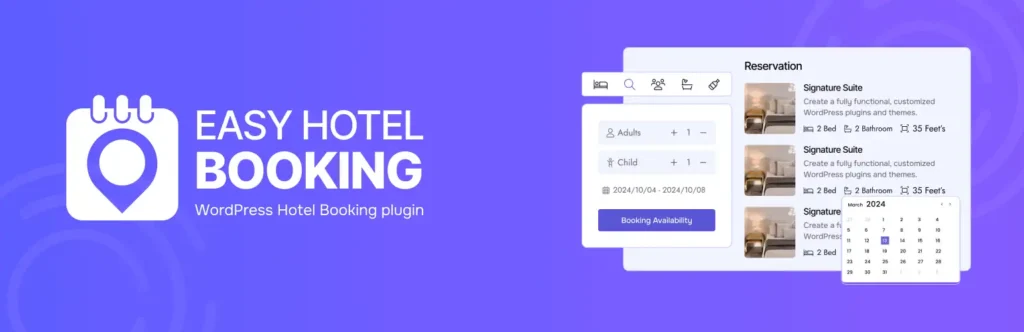
One of the strongest advantages of the Easy Hotel Booking Plugin is its ability to integrate seamlessly with platforms like WordPress, making it accessible even for users without advanced technical knowledge. It provides a streamlined booking experience with features such as real-time availability calendars, secure payment processing, and automated booking management. These capabilities not only enhance user experience but also increase conversion rates, which is critical for maximizing direct bookings.
From a business perspective, the plugin supports multiple monetization strategies. Hotels can implement dynamic pricing based on seasonality and demand, offer special packages, and create upsell opportunities during the booking process. Additionally, the automation features reduce manual workload, allowing hotel owners to focus more on customer experience and marketing efforts.
Another key benefit is data ownership. Unlike OTAs, the Easy Hotel Booking Plugin allows hotels to collect and analyze customer data, enabling personalized marketing campaigns, loyalty programs, and repeat bookings. This long-term customer relationship building is essential for sustainable growth in the hospitality industry.
Overall, the Easy Hotel Booking Plugin is more than just a booking tool. It acts as a revenue engine that supports the core business model of direct bookings, helping hotels scale efficiently while maintaining control over their operations and profitability.

Frequently Asked Questions (FAQs)
What is the business model behind hotel booking plugins?
The business model behind hotel booking plugins is primarily based on subscriptions, freemium plans, and paid add-ons. Plugin providers earn recurring revenue, while hotels use these tools to generate direct bookings and reduce reliance on third-party platforms like Booking.com.
How do hotel booking plugins make money?
Hotel booking plugins generate income through monthly or yearly subscription plans, premium features, and extensions. Some also offer one-time pricing or commission-based models, depending on the platform and target user
Why are hotel booking plugins important for hotels?
They allow hotels to accept direct bookings, avoid high commission fees, and maintain full control over pricing and customer relationships. This makes them a crucial tool for improving profitability.
Are hotel booking plugins better than OTAs?
They are better for long-term profitability because they eliminate commissions and offer more control. However, OTAs are still useful for visibility and acquiring new customers.
What features make a hotel booking plugin profitable?
Key features include payment integration, automation, dynamic pricing, and reporting tools. These features improve efficiency and increase booking conversions.
Can small hotels use booking plugins effectively?
Yes, booking plugins are scalable and cost-effective, making them suitable for small and boutique hotels looking to increase direct bookings.
What platforms support hotel booking plugins?
Most booking plugins are built for CMS platforms like WordPress and integrate with tools such as WooCommerce.
How do booking plugins reduce OTA dependency?
They provide a direct booking channel, allowing hotels to rely less on third-party platforms and retain more revenue from each reservation.
What is a freemium model in hotel booking plugins?
A freemium model offers basic features for free while charging for advanced functionalities like integrations, analytics, and automation tools.
Are hotel booking plugins secure for payments?
Most modern booking plugins support secure payment gateways and encryption, ensuring safe transactions for both hotels and customers.
What is the future of hotel booking plugin business models?
The future includes AI-driven pricing, automation, and personalized booking experiences, making these plugins more powerful and essential for hotel growth.
Do hotel booking plugins support multiple payment gateways?
Yes, most plugins integrate with multiple payment gateways, enabling hotels to accept global payments easily.
How can hotels increase revenue using booking plugins?
Hotels can increase revenue by optimizing pricing, offering promotions, using automation, and focusing on direct bookings through their website.
Is a custom booking system better than a plugin?
Custom systems offer more flexibility but are expensive and time-consuming. Booking plugins are more affordable, faster to deploy, and easier to maintain for most hotels.
